
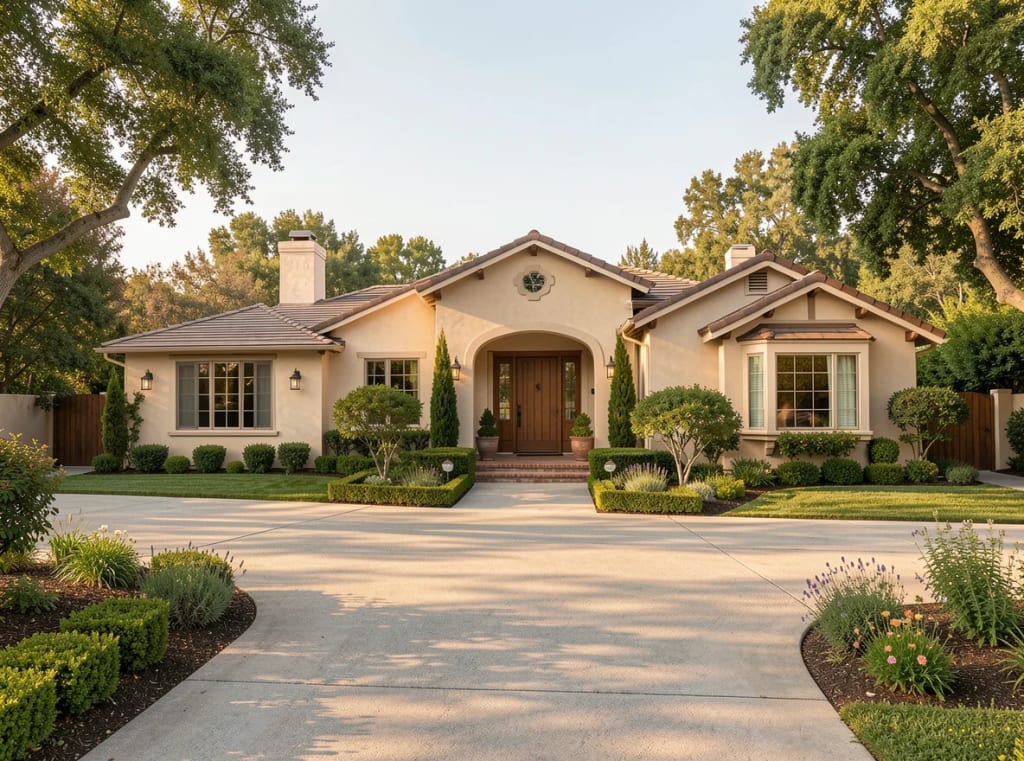
Walnut Creek vs Pleasant Hill: Which Move-Up Market Fits a $800K to $1.2M Budget Best
Walnut Creek vs Pleasant Hill: Where Does an $800K to $1.2M Move-Up Budget Go Further?
For Bay Area buyers ready to level up from a condo, townhome, or smaller starter house, the stretch between roughly $800,000 and $1.2 million can feel like both a big leap and a careful balancing act. In central Contra Costa County, two names rise to the top again and again: Walnut Creek and Pleasant Hill. Each offers strong commuter appeal, established neighborhoods, and a lifestyle that feels connected without the nonstop intensity of San Francisco or Oakland.
The real question is not simply which city is “better.” It is which one fits the way you want to live over the next five to ten years. One tends to offer a more polished, higher-demand feel with premium pricing to match, while the other often gives buyers more breathing room in both lot size and monthly payment. For households comparing schools, commute patterns, home style, and long-term value, the difference can be significant.

Walnut Creek typically attracts buyers who want convenience, polish, and strong resale confidence. In this price band, many shoppers are looking at smaller single-family homes, ranch properties needing selective updates, duet-style homes, or well-located townhomes with strong amenities. The appeal goes beyond the house itself. Access to BART, freeway connections, regional trails, and an energetic city core gives Walnut Creek a lifestyle premium that many buyers are willing to pay for. If your ideal week includes a quick commute, dinner out, a Saturday errand run that feels easy, and nearby outdoor recreation, this market checks a lot of boxes.
That said, the tradeoff is clear: your dollar usually buys less square footage in Walnut Creek than in Pleasant Hill. Buyers in the lower end of the range may need to compromise on lot size, school boundary preferences, or turnkey condition. Homes that feel move-in ready and sit in especially desirable pockets can move quickly, and competition can still be real even when the broader market feels more balanced. For households prioritizing status, walkability to amenities, or long-term prestige, that premium may feel justified. For buyers focused on maximizing space, however, Walnut Creek can require more negotiation between wants and needs.
Pleasant Hill, by contrast, often stands out as the practical sweet spot for move-up buyers. The city offers a comfortable suburban rhythm, solid community amenities, and housing that can feel more attainable without sacrificing convenience. Within an $800K to $1.2M range, shoppers may find more single-family options, more flexible floor plans, and in some cases larger yards or more extensively updated interiors than they would just a few miles away. That difference matters for growing households, remote workers needing dedicated office space, or buyers who simply do not want every project to start the day they get the keys.
There is also an ease to Pleasant Hill that resonates with many buyers. It feels approachable. Recreation is close by, neighborhood parks are woven into daily life, and the city’s central location makes it simple to get to Walnut Creek, Martinez, Concord, or Lafayette. For many households, it delivers the “we made it” upgrade without requiring the absolute top end of their comfort zone. In practical terms, that can mean more room in the budget for reserves, renovations, or a housing payment that still supports travel, childcare, or future savings goals, though any payment scenario should be treated as an estimate rather than a guarantee.
Lifestyle, Schools, and Everyday Feel
When buyers compare these two markets, numbers tell only part of the story. Day-to-day living often becomes the deciding factor. Walnut Creek has a more upscale and active commercial energy, with a lively core, broad dining options, and a highly connected feel. It appeals to buyers who want their suburb to have some urban perks. Pleasant Hill tends to feel more relaxed and residential, with a community-centered atmosphere that many families find especially comfortable.
Schools are another major part of the conversation, though buyers should always verify current district boundaries and school assignments for any specific address. Walnut Creek often draws buyers specifically targeting certain highly regarded school paths, which helps support demand and pricing. Pleasant Hill also offers appealing educational options and can be particularly attractive to households who want strong community fundamentals without paying quite as much for the same school-driven pressure. In both markets, school impact can vary substantially neighborhood by neighborhood, so hyperlocal analysis matters more than broad city labels.
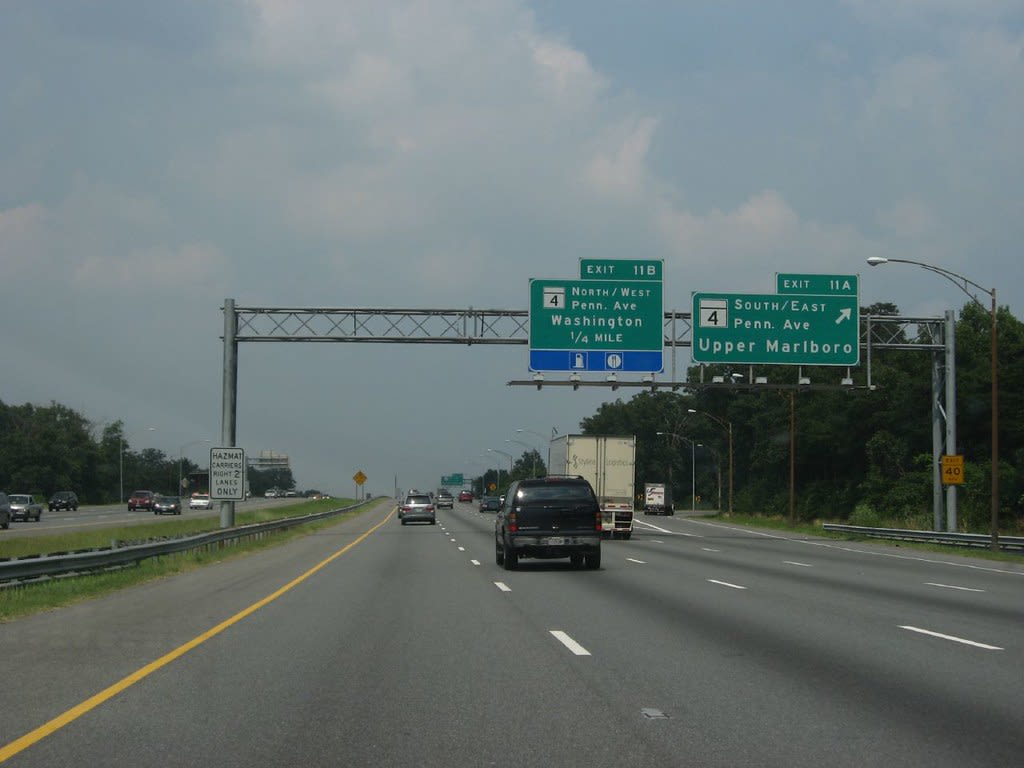
Commute patterns can tip the scales, too. Buyers heading toward San Francisco or Oakland often appreciate Walnut Creek’s transit convenience and established commuter reputation. But Pleasant Hill remains highly practical, especially for those whose work takes them across Contra Costa County or who split time between East Bay destinations. For many households, a few extra minutes in the car can be well worth the lower entry price or larger home footprint.
Then there is the emotional side of the decision. Some buyers walk into Walnut Creek and immediately feel the aspirational pull. Others tour Pleasant Hill and realize they can have the extra bedroom, the updated kitchen, and the yard for the dog without overextending. Neither reaction is wrong. It simply depends on whether your move-up goal is centered on place, property, or monthly comfort.
What Buyers at This Budget Should Watch Closely
At $800K to $1.2M, the most successful buyers usually begin by defining which compromises they can actually live with. In Walnut Creek, that might mean accepting a smaller lot, an older kitchen, or a busier street in exchange for location and cachet. In Pleasant Hill, the compromise may be less about the house and more about giving up some of the prestige or walkable lifestyle that Walnut Creek buyers value.
It is also smart to compare not just purchase price, but total monthly cost. Property taxes, insurance, HOA dues where applicable, and the real cost of needed updates should all be part of the analysis. A “cheaper” home that needs substantial work may not feel cheaper after move-in. Likewise, stretching into a top-of-budget Walnut Creek home may be worthwhile if it better aligns with long-term resale strength and your preferred lifestyle. Just keep in mind that payment examples are estimates only, rates and terms can change, and any financing path remains subject to full review, final approval, and program availability.
This is where working with a team that understands both the financing and housing side can make a major difference. A thoughtful advisor can help clients look beyond listing prices and toward the full picture: payment strategy, competitiveness, realistic affordability, and neighborhood fit. That perspective is especially valuable in a move-up search, where buyers are often coordinating a sale, a purchase, and a tighter decision window all at once. Any pre-approval or loan scenario, however, is still subject to full documentation review and final approval, and available loan options are never guaranteed or a commitment to lend.
Honest guidance matters most when the choice is close. Some buyers will be better served by buying the best Pleasant Hill home they can comfortably afford instead of stretching for entry-level Walnut Creek. Others will decide that Walnut Creek’s location, identity, and long-term appeal justify a smaller house today. The right guidance can help you make that call with clarity instead of guesswork while keeping expectations grounded in current lending standards and changing market conditions.
So, Which Market Fits Best?
If your priority is prestige, commuter convenience, and a more elevated amenity base, Walnut Creek often wins, even if your home is a little smaller or needs a little more patience. If your focus is space, value, flexibility, and a comfortable suburban lifestyle, Pleasant Hill frequently delivers more for the money. For many move-up buyers, there is no universally right answer, only the right fit for your finances, routines, and future plans.
The smartest next step is to run the numbers alongside the neighborhoods. Compare what $900K, $1.05M, and $1.2M actually buy in each city, then match those options against your payment goals and non-negotiables. With thoughtful planning and the right guidance, both Walnut Creek and Pleasant Hill can be strong move-up destinations. The difference is deciding whether you want the premium zip code, the extra elbow room, or the best balance of both.

